
The global problem:
water scarcity

Only 0.5 per cent of water on Earth is useable and available freshwater – and climate change is dangerously affecting that supply. Water scarcity is a pressing global issue characterized by a shortage of freshwater resources relative to the growing demand for various uses.
The United Nations' Sustainable Development Goal 6: ensuring access to water and sustainable water management.

2.2 billion people lack access to safely managed drinking water services.

(WHO/UNICEF 2019)

Almost 2 billion people depend on health care facilities without basic water services.

(WHO/UNICEF 2019)

Over half of the global population or 4.2 billion people lack safely managed sanitation services.

(WHO/UNICEF 2019)

297,000 children under five die every year from diarrhoeal diseases due to poor sanitation, poor hygiene, or unsafe drinking water.

(WHO/UNICEF 2019)

4.2 billion people lack safely managed sanitation services

Currently, 2.15 billion people live in the near-coastal zone and 898 million in the low-elevation coastal zone globally. These numbers could increase to 2.9 billion and 1.2 billion

Agriculture accounts for 70 per cent of global water withdrawal.

(FAO)

2 billion people live in countries experiencing high water stress.

(UN 2019)

Around two-thirds of the world’s transboundary rivers do not have a cooperative management framework.

(SIWI)

80 per cent of wastewater flows back into the ecosystem without being treated or reused.

(UNESCO, 2017)

90 per cent of natural disasters are weather-related, including floods and droughts.

(UNISDR)

The essentials of water scarcity can be summarized as follows:

Limited Freshwater Resources

Water scarcity occurs when the available freshwater supply is insufficient to meet the needs of people and ecosystems in a specific region. This shortage is often caused by factors such as population growth, climate change, and inefficient water management.
Kattints ide

Physical Scarcity

Physical water scarcity refers to a situation where the total volume of available freshwater is insufficient to meet the demands of a region. This is common in arid and semi-arid areas with limited rainfall.
Kattints ide

Economic Scarcity

Economic water scarcity occurs when a region has the necessary water resources but lacks the infrastructure and financial means to access and distribute water effectively. This is often due to poor governance and underinvestment in water infrastructure.
Kattints ide

Consequences

Water scarcity has serious consequences, including compromised access to clean drinking water, reduced agricultural productivity, impacts on industry, and threats to ecosystem health. It can also lead to conflicts over water resources.
Kattints ide

Climate Change

Climate change exacerbates water scarcity by altering precipitation patterns, increasing evaporation rates, and intensifying droughts and water-related extreme events.
Kattints ide

Water Stress

Water stress is a related concept that occurs when the demand for water exceeds the available supply, leading to overexploitation of water resources. This can result in environmental degradation and decreased water quality.
Kattints ide

Sustainable Development Goals

The United Nations' Sustainable Development Goal 6 (SDG 6) aims to ensure the availability and sustainable management of water and sanitation for all. It highlights the importance of addressing water scarcity as a fundamental component of global development efforts.
Kattints ide

Solutions

Addressing water scarcity requires sustainable water management practices, improved infrastructure, conservation, and efficient water use. It also necessitates international cooperation and sound policies to ensure equitable access to water resources.
Kattints ide

In summary, water scarcity is a complex issue with physical and economic dimensions, exacerbated by climate change, and it has significant social, economic, and environmental consequences. Efforts to mitigate water scarcity involve a combination of technical, policy, and conservation measures to ensure equitable access to freshwater resources while protecting ecosystems and supporting sustainable development.
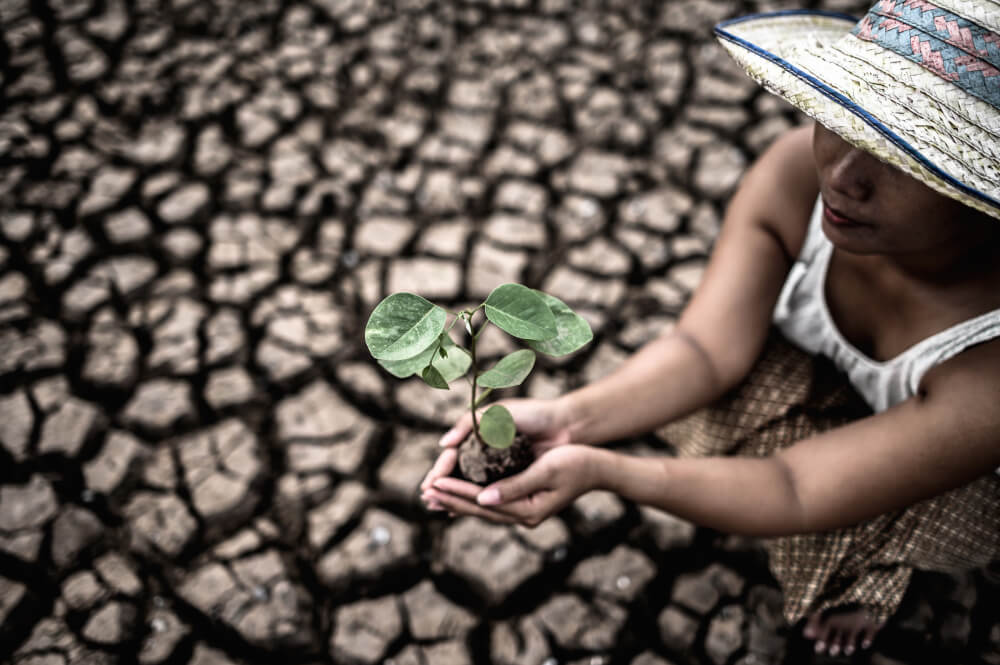
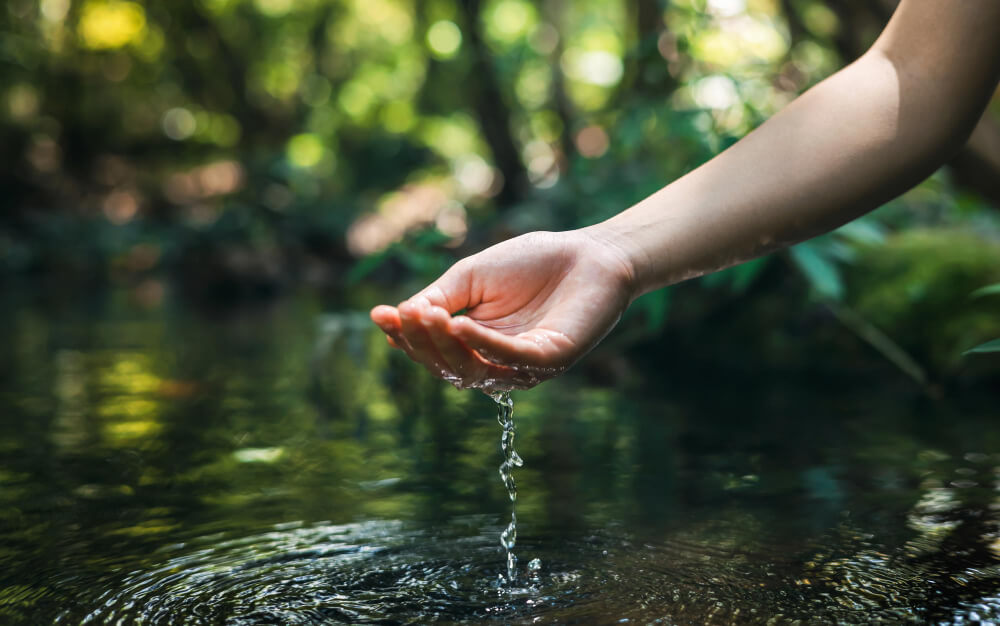
The freshwater sources are constantly dwindling, water resources are natural resources of water that are potentially useful for humans, for example as a source of drinking water supply or irrigation water. 97% of the water on Earth is salt water and only three percent is fresh water; slightly over two-thirds of this is frozen in glaciers and polar ice caps.

The natural resources don’t cover the recent water demand. The sustainable fresh water sources are already exceeded by 11%. That means the existing natural fresh water resources are decreasing.

Animált ábrák

Alcím

Nem lesz sárga a háttér, csak jelzem, hogy ez a szakasz hiányos
Get more information